Agency media-buying guides
Real setup mistakes and pacing issues we've seen running an agency and building the agents that audit for them — not generic advice.
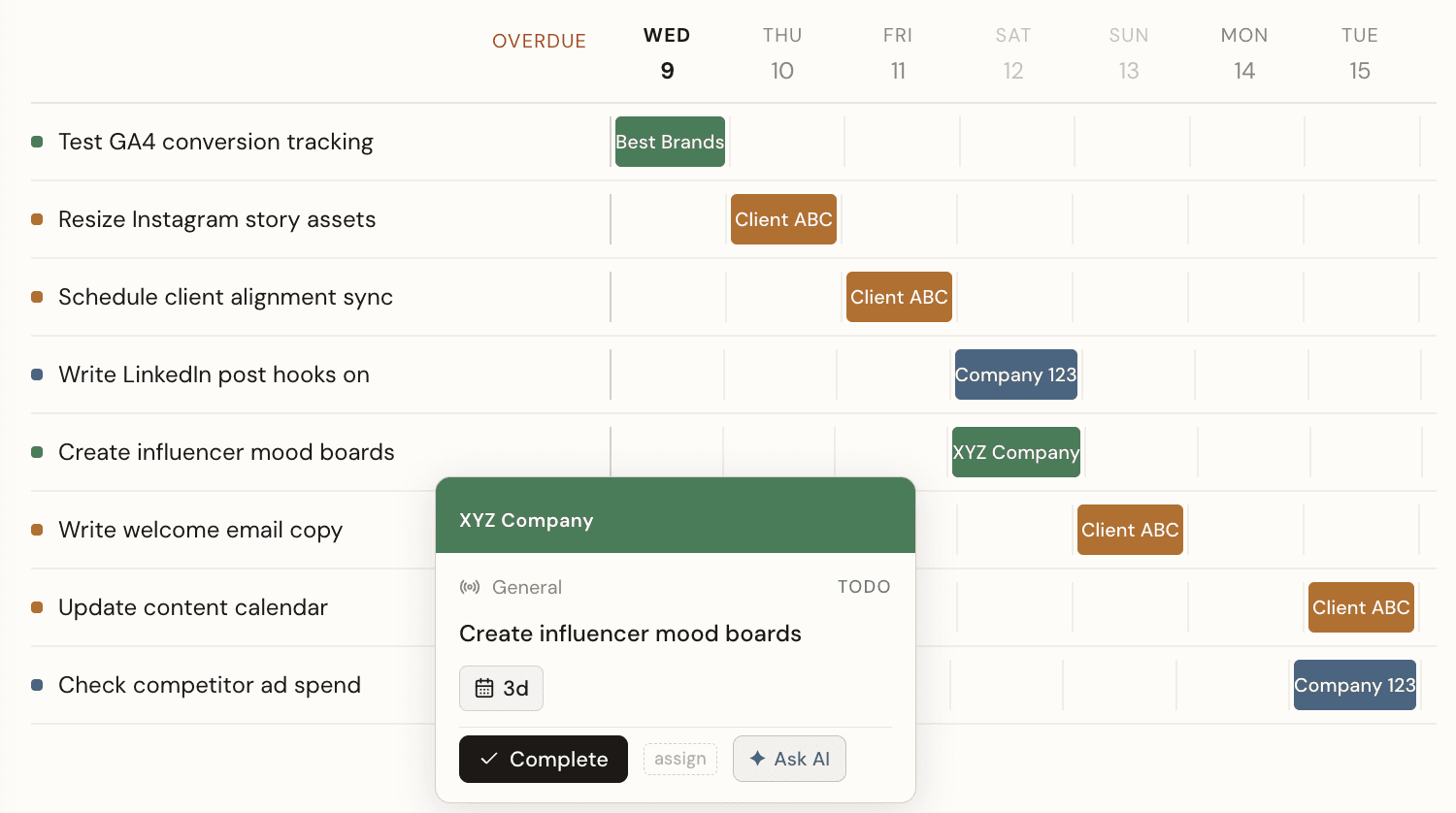
How to reduce risk, error and head hours running client ad accounts in 2026
Eight practical ways agencies cut risk and manual hours across client ad accounts in 2026 — automated pacing checks, scheduled health checks and anomaly alerts.
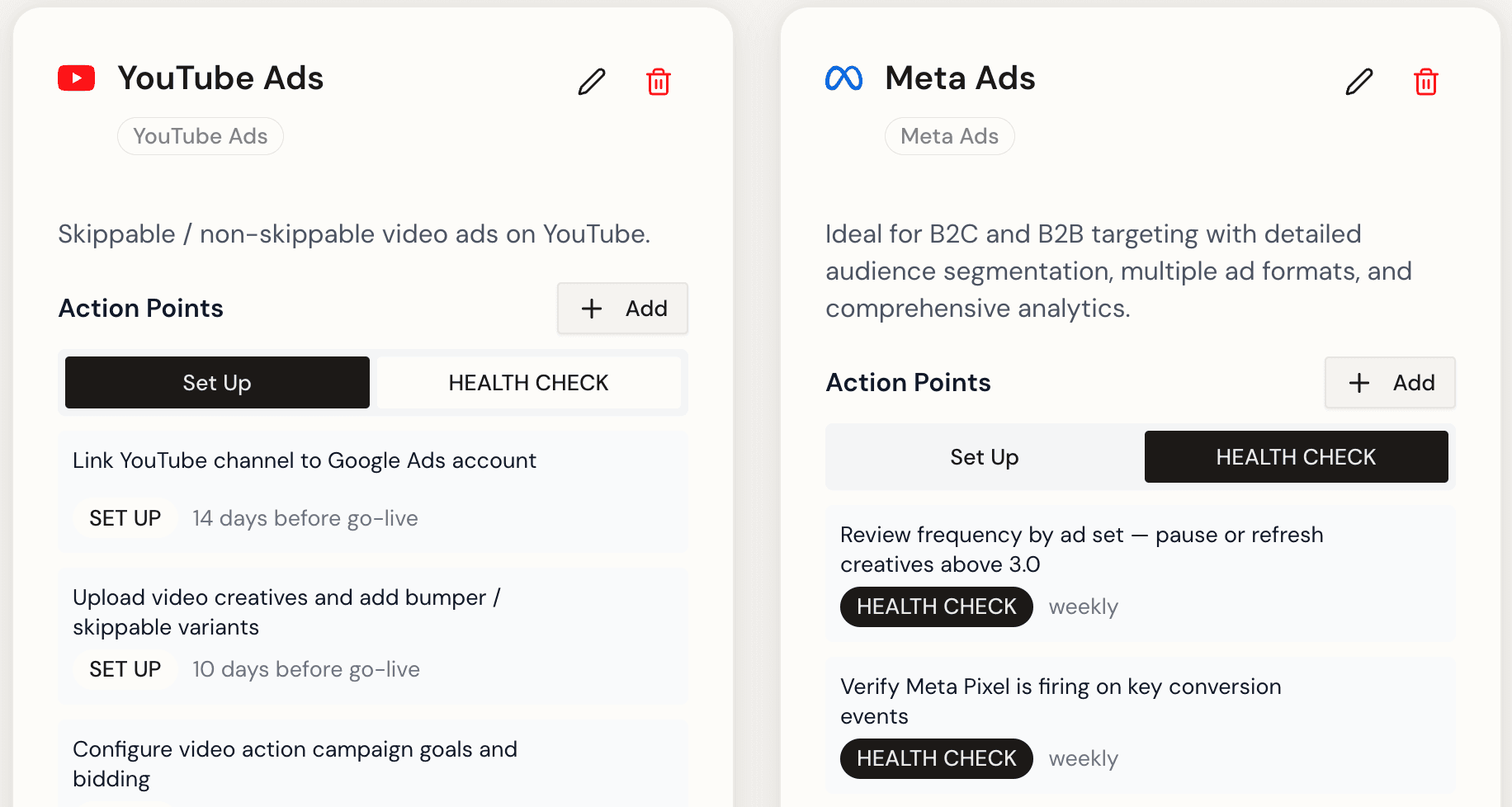
21 PlanPulse features that replace your agency's spreadsheet stack
Every PlanPulse feature explained — agency dashboard, media plan builder, pacing analysis, anomaly detection, action points, AI briefings, reporting and invoicing.

Introducing PlanPulse: health checking software for marketing agencies
What PlanPulse is, how it works, and who it's for — from Cam Brewitt of OneOneThree Digital, after years of watching media plans drift out of sync with live ad accounts.
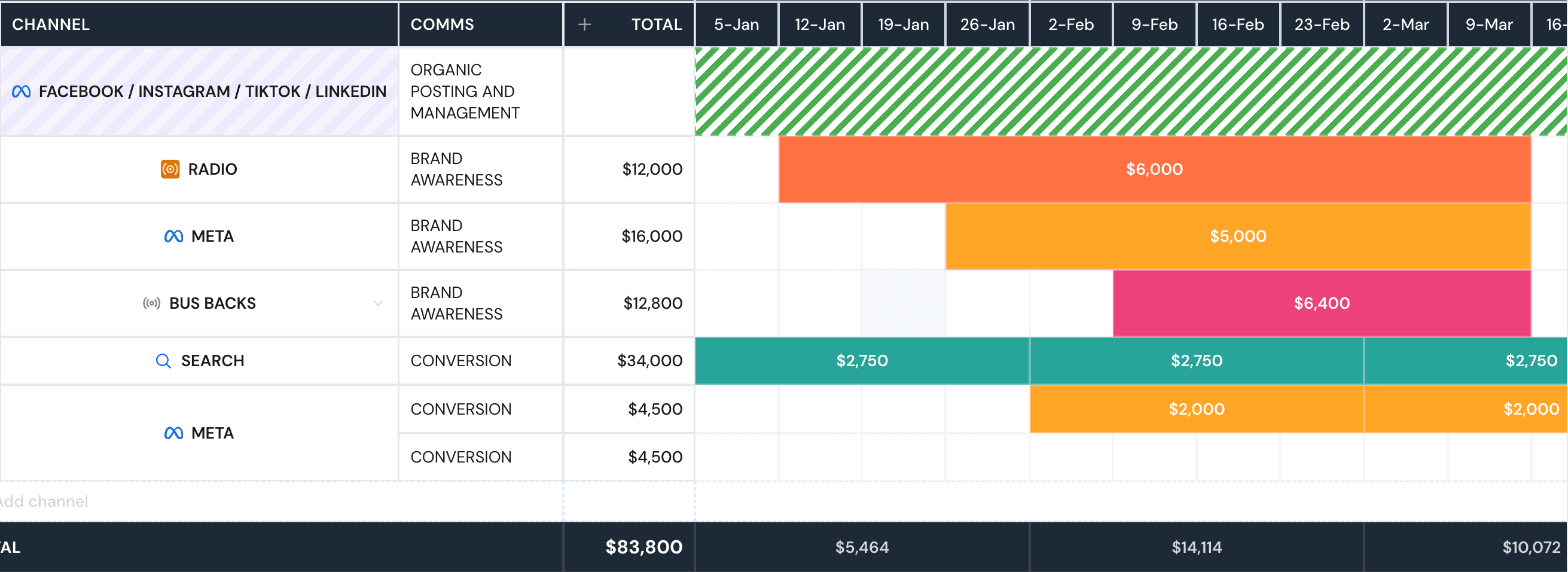
7 best Bionic alternatives for marketing agencies in 2026
Bionic Advertising Systems alternatives compared for 2026 — PlanPulse, Pegasus, Camphouse, Basis and Marmind — with pricing and which agency each one suits.
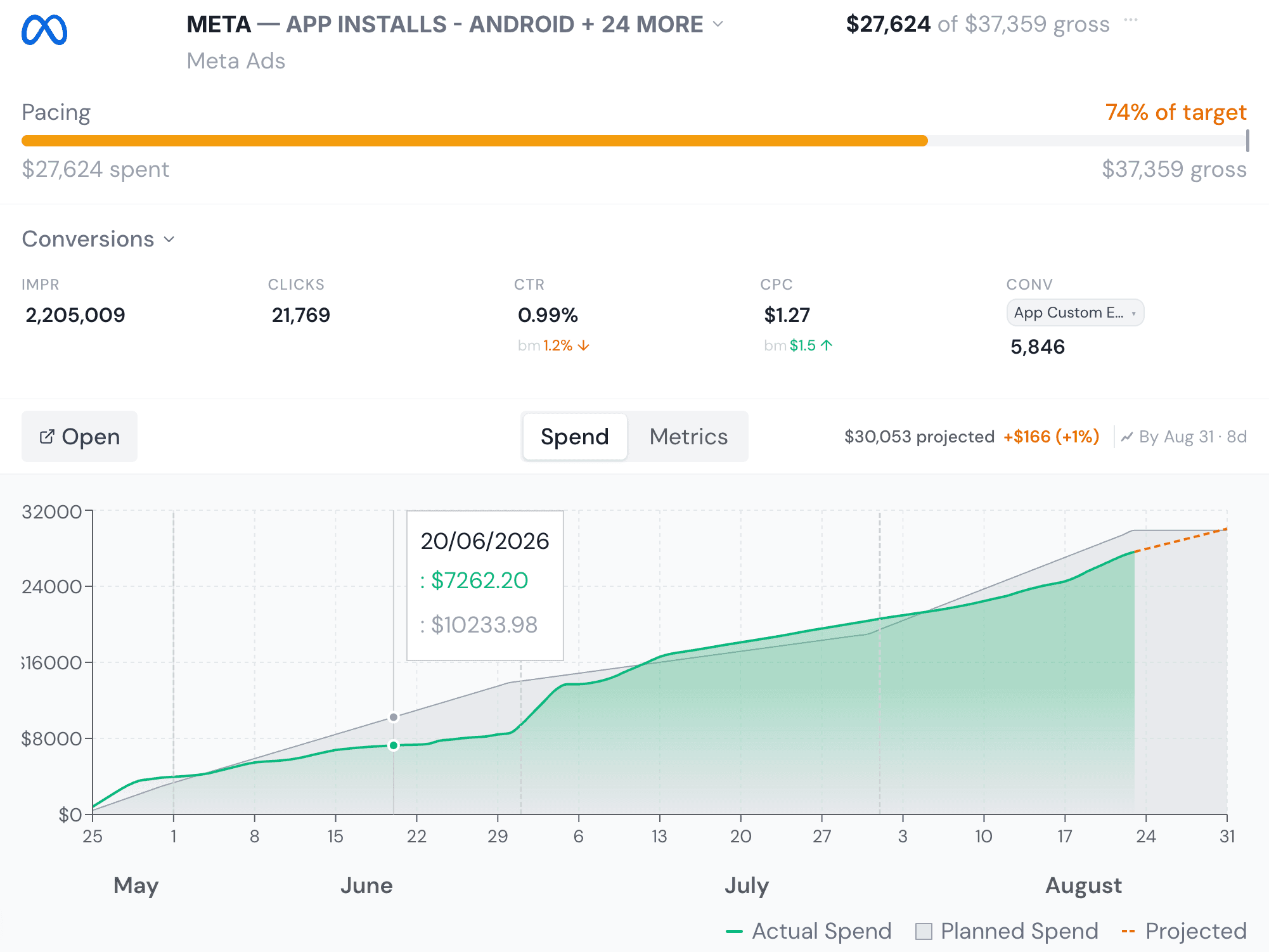
5 Google Ads & Meta setup mistakes that quietly break campaign pacing
The setup errors that most often push a campaign off-pace — wrong geotargeting, broken destination URLs, budget-type mix-ups, dayparting conflicts, and attribution mismatches — and how to catch them before a client does.
How to build a multi-channel media plan agencies can actually stick to
A practical structure for a multi-channel media plan — channels, budgets, flight dates, and the tracking that keeps a plan honest once campaigns actually go live.
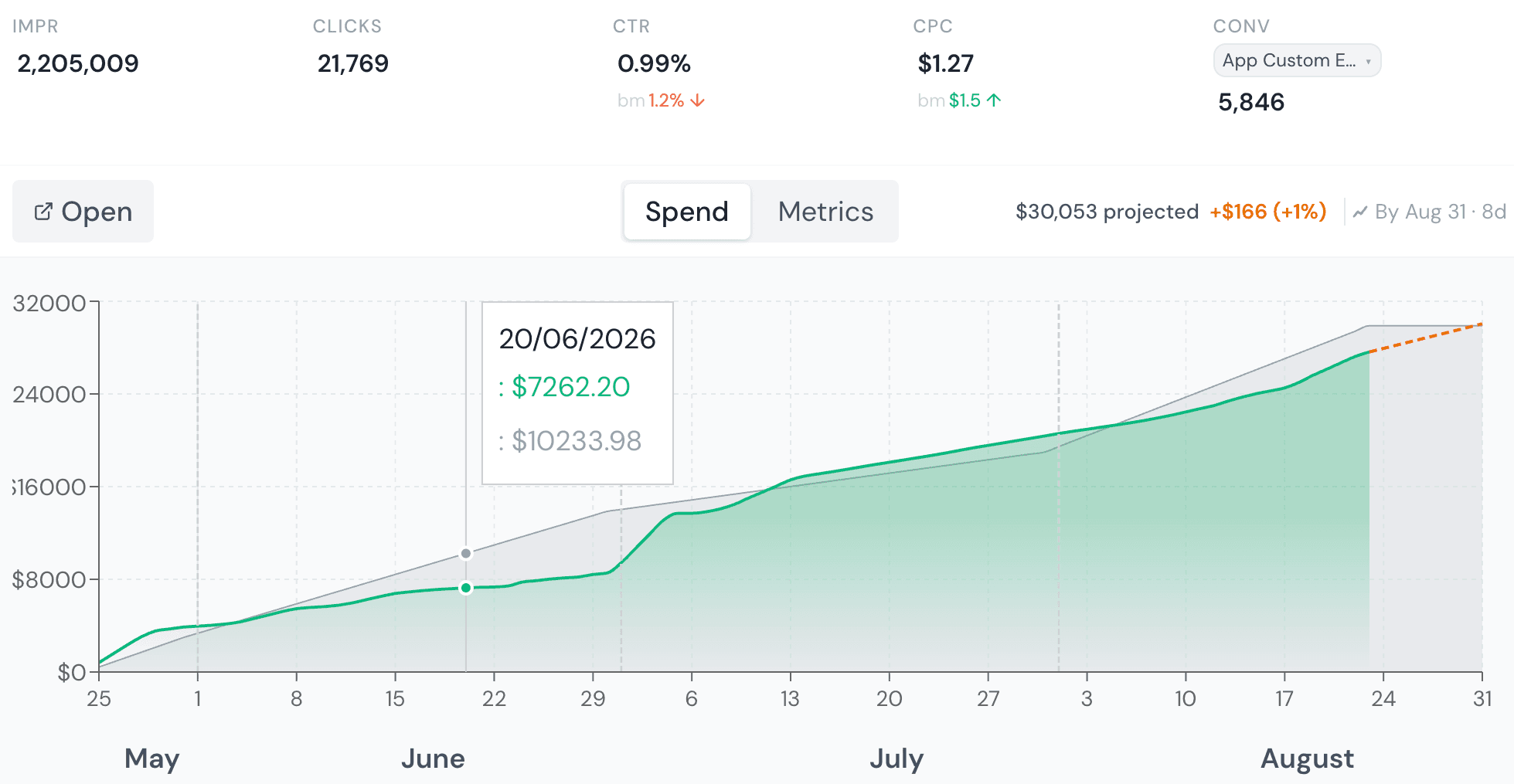
Daily vs. lifetime budgets: how agencies accidentally overspend client accounts
The difference between daily and lifetime budgets in Google Ads and Meta, why mixing them up is the most common cause of campaign overpacing, and how to check which one a live campaign is actually using.
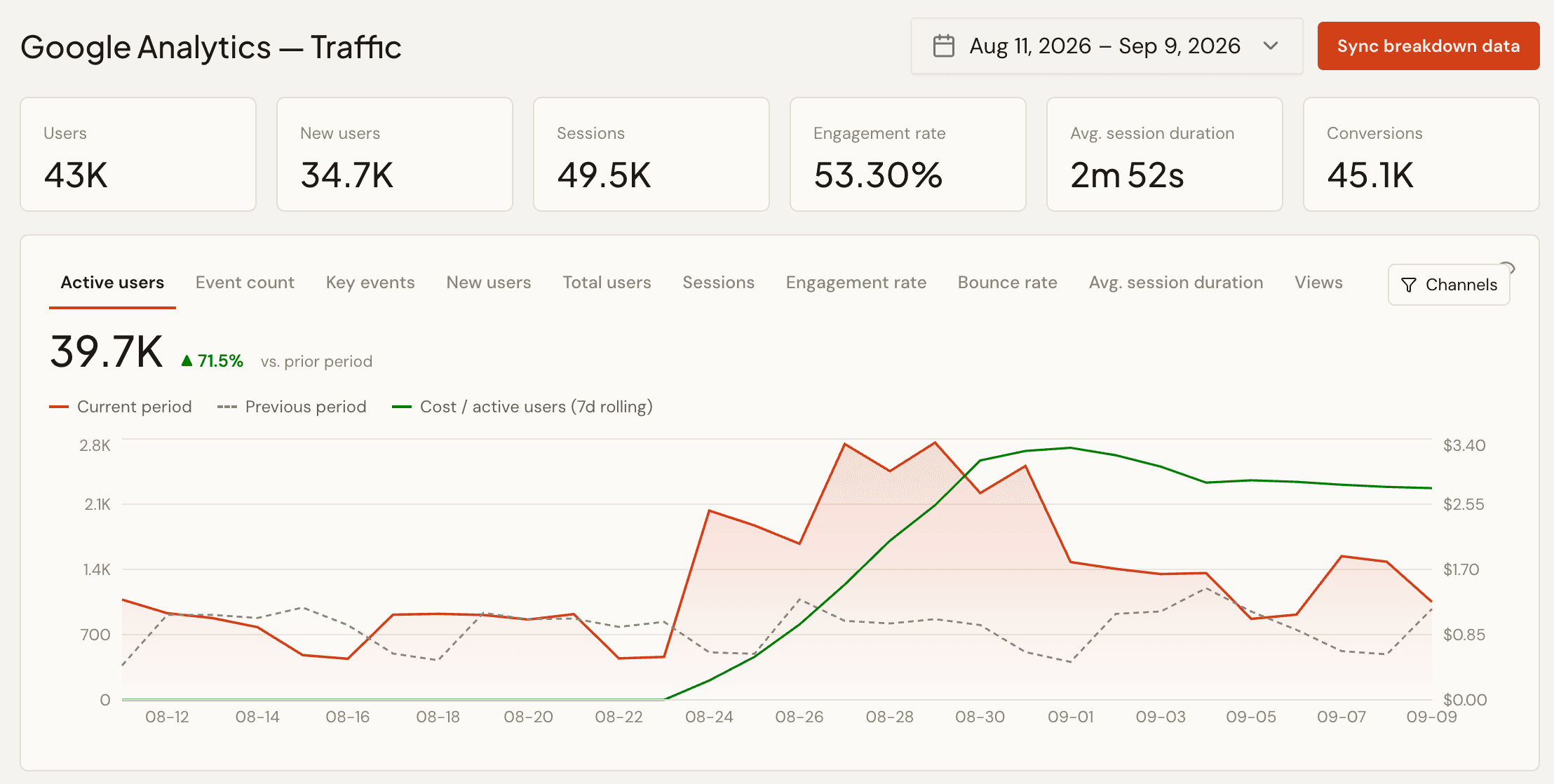
Catching CPA and spend anomalies before your client does
Why CPA spikes get noticed too late in most agency workflows, and how a rolling baseline — instead of a single target number — catches spend anomalies while there's still time to act.